Whether a resume and a CV are different depends on where you are applying. In some countries the two words mean the same document. In others they mean two different ones, and sending the wrong one can cost you the interview.
On this page · 8 sections
The short answer
In the United States and Canada, a resume is a short summary of your experience, one or two pages long. A CV (short for curriculum vitae) is a longer and fuller record, used mainly for academic, research and medical jobs.
In the UK, Ireland, most of Europe and much of the rest of the world, "CV" is simply the everyday word for what Americans call a resume.
| Resume (US, Canada) | Academic CV (US, Canada) | CV (UK, Europe) | |
|---|---|---|---|
| Length | 1 to 2 pages | As long as needed | About 2 pages |
| Used for | Most jobs | Academic, research and medical jobs | Most jobs |
| Content | Highlights chosen for the job | Full record: publications, teaching, research | Highlights chosen for the job |
| Changes per job | Yes | Little | Yes |
What a resume is
A resume is a short document that sums up your work experience, education and skills for one particular job. It is selective: you choose what to include based on the job ad, and you leave the rest out.
Most resumes are one page. Two pages are fine when you have ten or more years of relevant experience. The usual sections are contact details, a short summary, work experience, education and skills. Our guide on how to write a resume takes you through each one.
What a CV is in the United States and Canada
In North America, a CV is the full history of an academic or scientific career. It lists every degree, publication, conference talk, grant, teaching job and award, and it has no page limit. A new graduate's CV might be two pages; a senior professor's can run past twenty.
You will be asked for a CV when you apply for university teaching and research jobs, medical residencies and fellowships, and research grants. For almost every other job in the US and Canada, send a resume, even if a friend calls it a CV.
What a CV means in the UK, Europe and elsewhere
Outside North America, employers ask for a CV and expect something very close to an American resume: a short, tailored summary of your working life. For the steps, see how to write a CV, and what to include in a CV for what goes in and what stays out.
- UK and Ireland: a CV is usually two pages. It has no photo and no date of birth.
- Australia and New Zealand: both words are used and mean the same thing. Two to three pages is normal.
- Germany, France and Spain: the CV is one or two pages, and a professional photo is common.
- South Africa, India and much of the Middle East: employers usually say CV.
If you are applying for an academic job in these countries, the same word covers the long academic version too. The job ad will make clear which is wanted.
Which one you should send
Follow the country where the job is, not the country you are in. Then check the ad:
- Use the word in the job ad. If it says "send your CV", call your file a CV.
- For a job in the US or Canada outside academia, send a resume of one or two pages.
- For a university, research or medical job in North America, send a full academic CV.
- For a job in the UK, Europe, Australia or elsewhere, send a CV in the local style, usually two pages.
Paper size, photos and personal details by country
The name is not the only thing that changes. These conventions matter just as much.
| Country | Usual name | Usual length | Photo | Paper size |
|---|---|---|---|---|
| United States | Resume | 1 to 2 pages | No | US Letter |
| Canada | Resume | 1 to 2 pages | No | US Letter |
| UK and Ireland | CV | 2 pages | No | A4 |
| Australia and New Zealand | Resume or CV | 2 to 3 pages | No | A4 |
| Germany | CV (Lebenslauf) | 1 to 2 pages | Common | A4 |
| France | CV | 1 to 2 pages | Common | A4 |
| Spain | CV (currículum) | 1 to 2 pages | Common | A4 |
In the US, Canada and the UK, leave off your date of birth, marital status and nationality. Employers there do not expect them. In some European countries a date of birth is still common, so look at local examples before you decide.
The paper size is easy to forget. A resume made on US Letter prints with odd margins on A4, and the other way round. In DuckResume you can switch between A4 and US Letter at any time and the page reflows by itself.
How to turn a resume into a CV
Moving between the two is mostly a matter of length and local habits.
- A US resume into a UK or European CV: change the page to A4, use local spelling and date formats, and let it run to two pages if you have the experience. Add a photo only where it is the norm.
- A UK or European CV into a US resume: change the page to US Letter, cut it to one or two pages, and remove the photo and personal details such as date of birth.
- A resume into an academic CV: keep everything, then add sections for publications, research, teaching, conferences, grants and awards, with full details and dates.
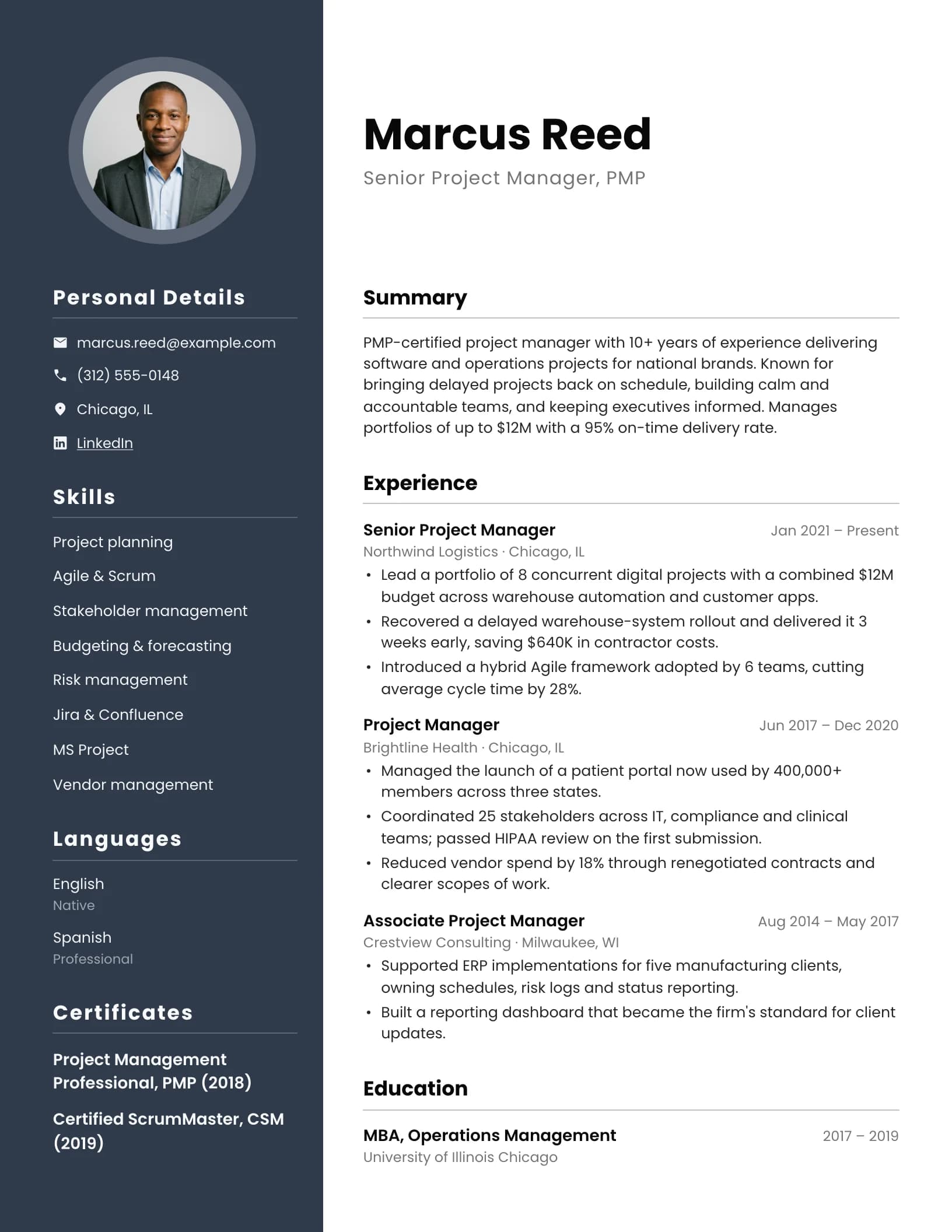
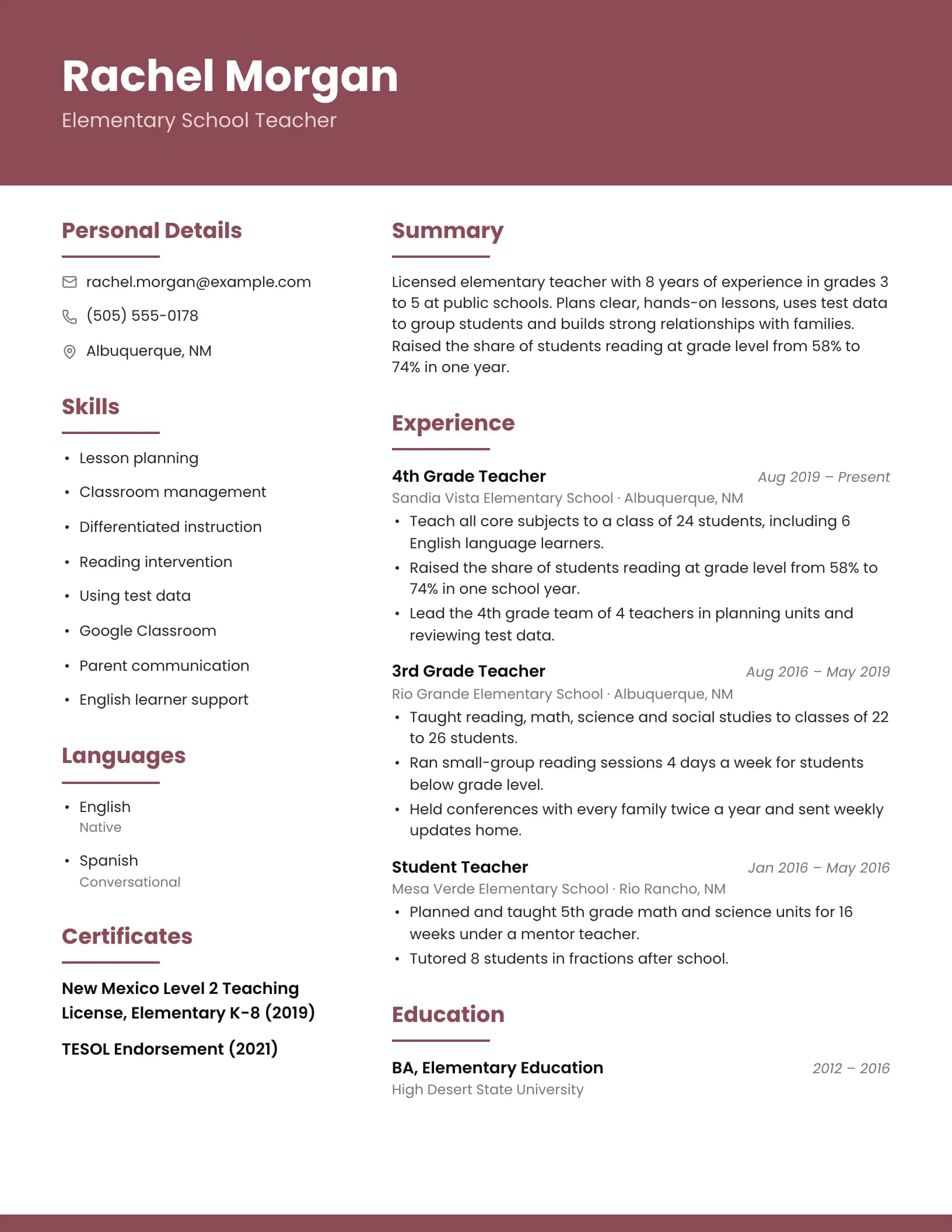
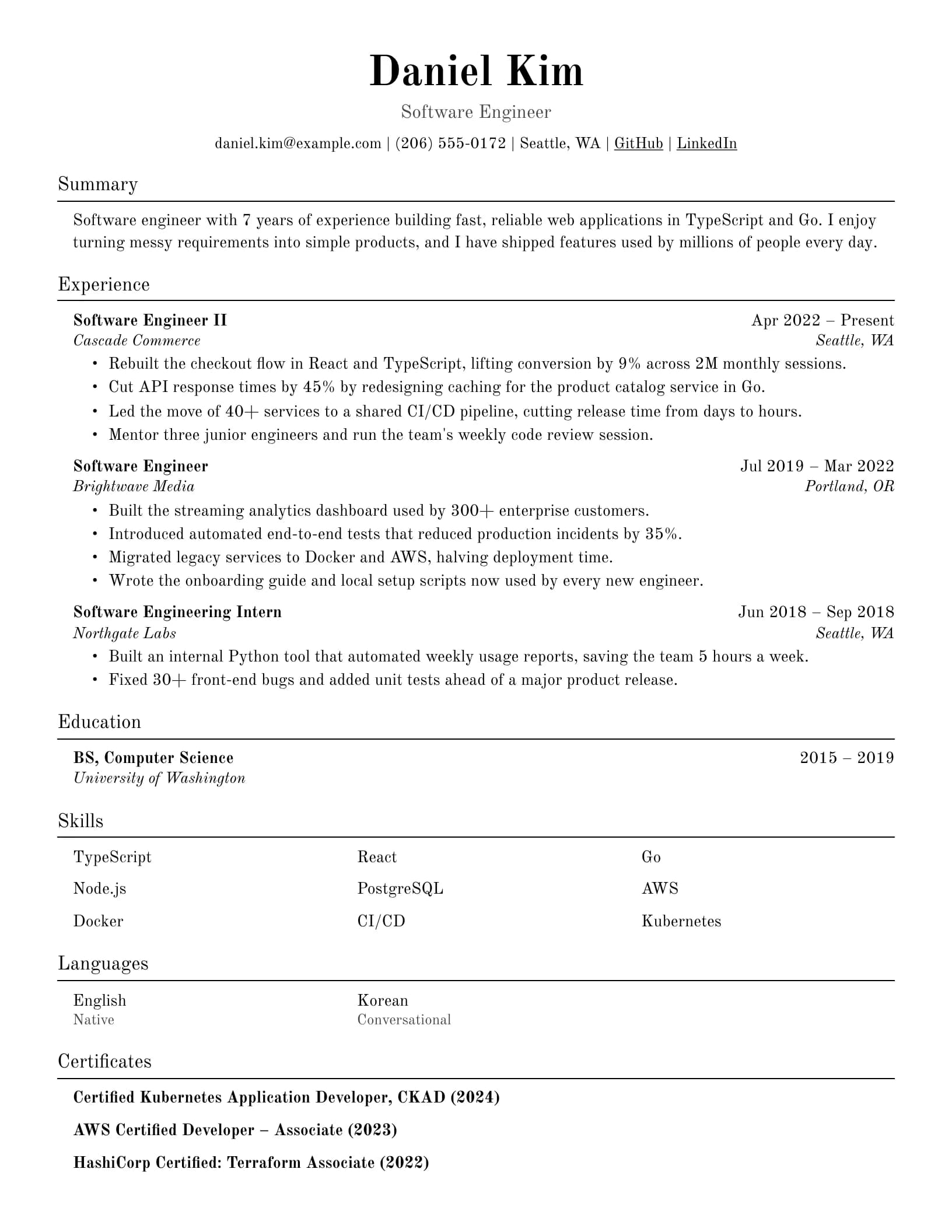
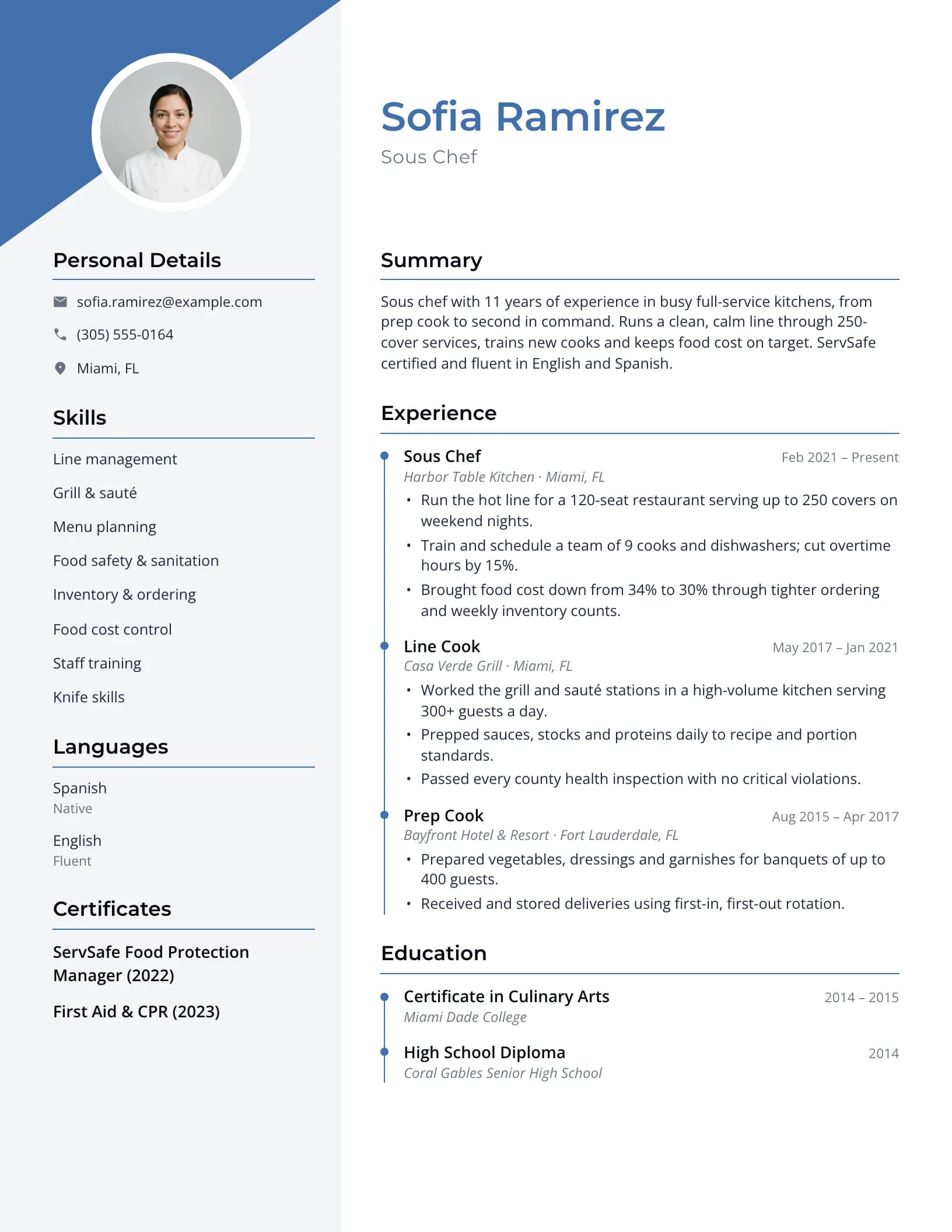
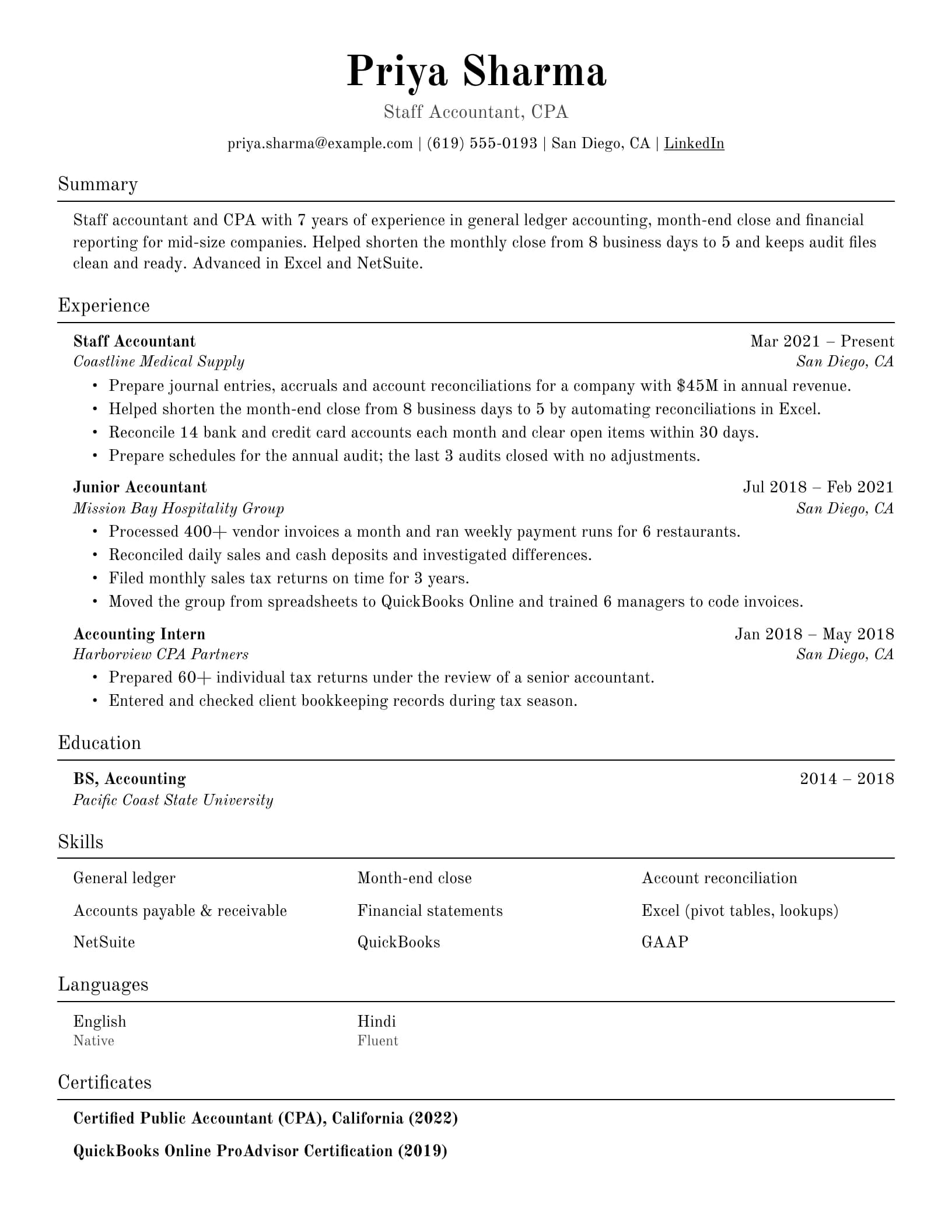
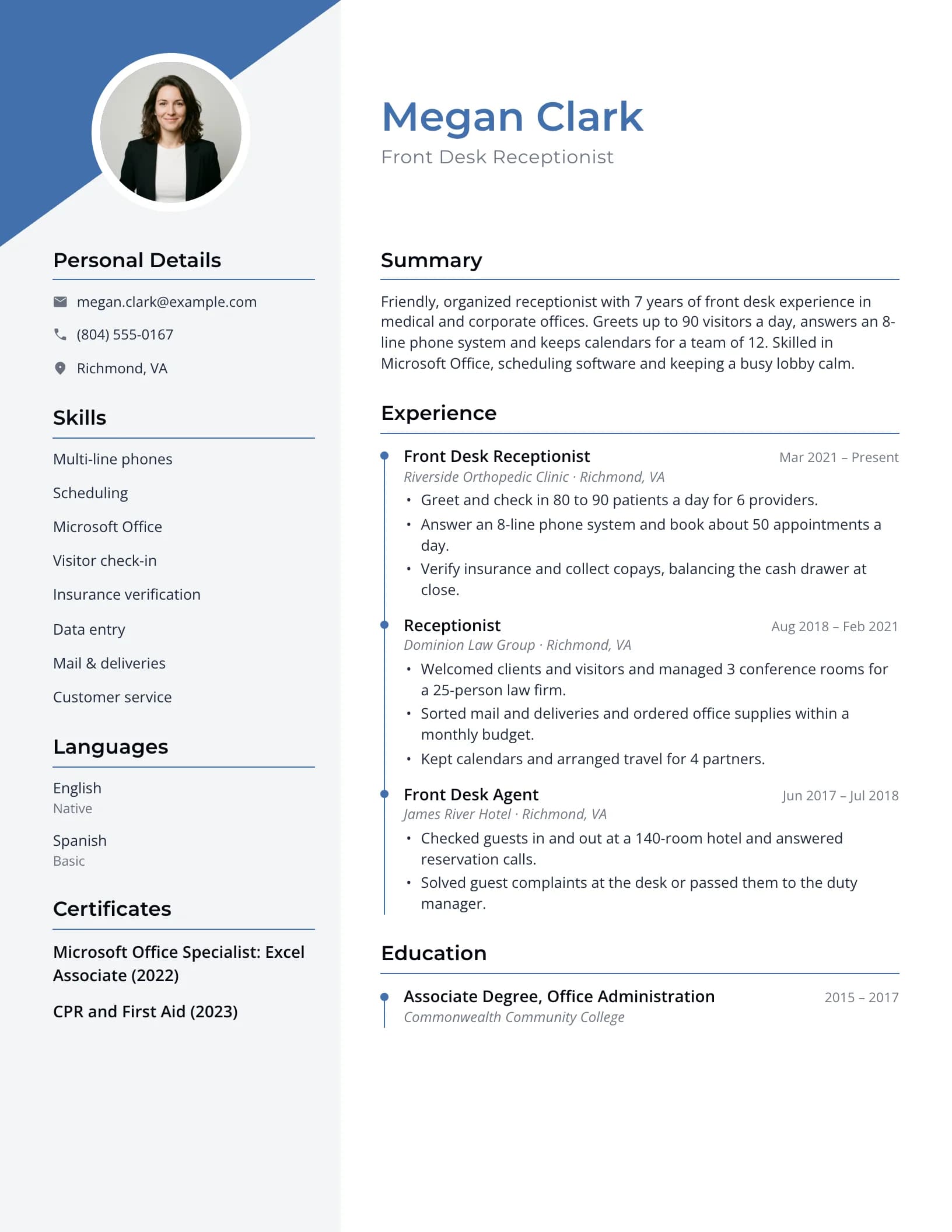
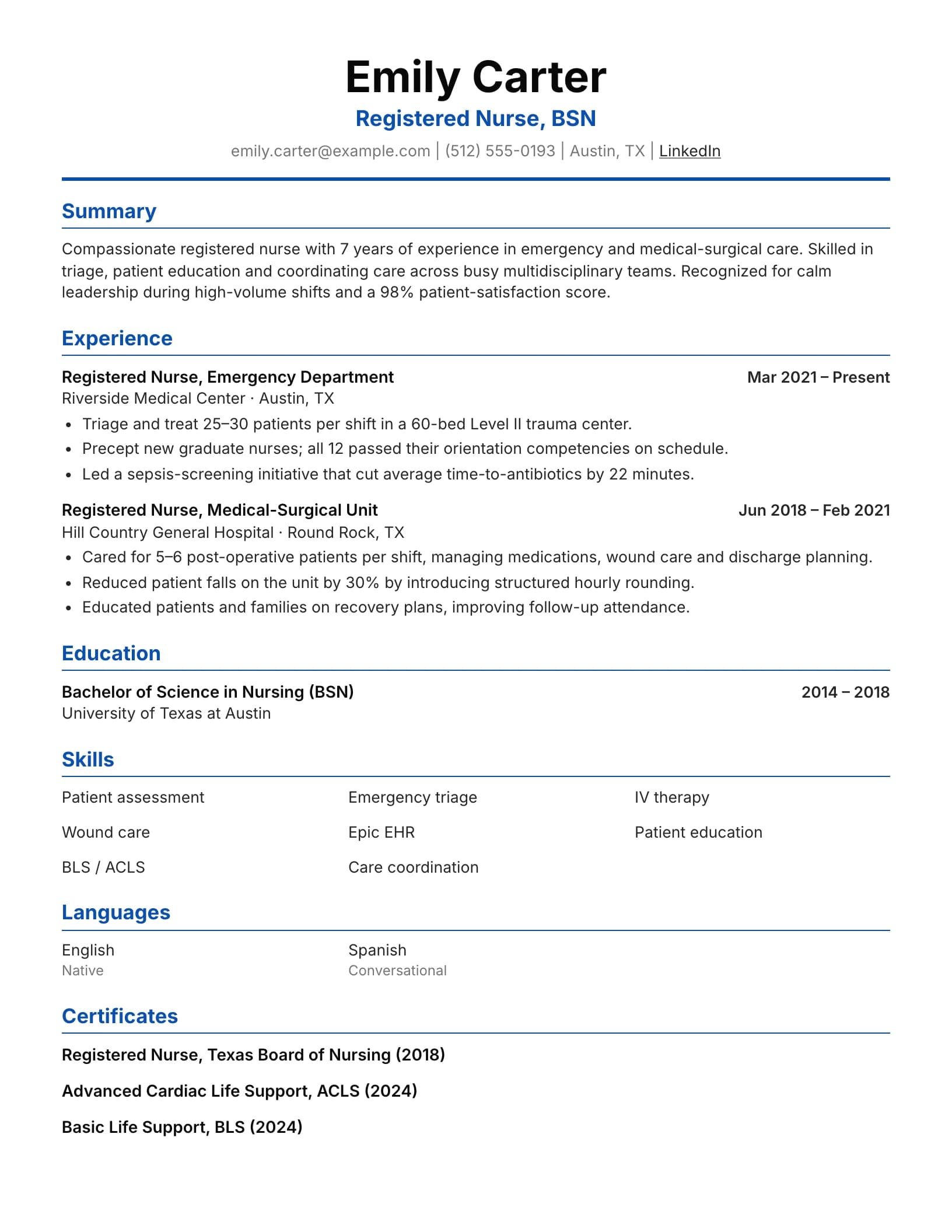
The templates below work for either. Dossier has room for a photo; Ledger and Typeset are plain, text-first designs.
 LedgerUse this template
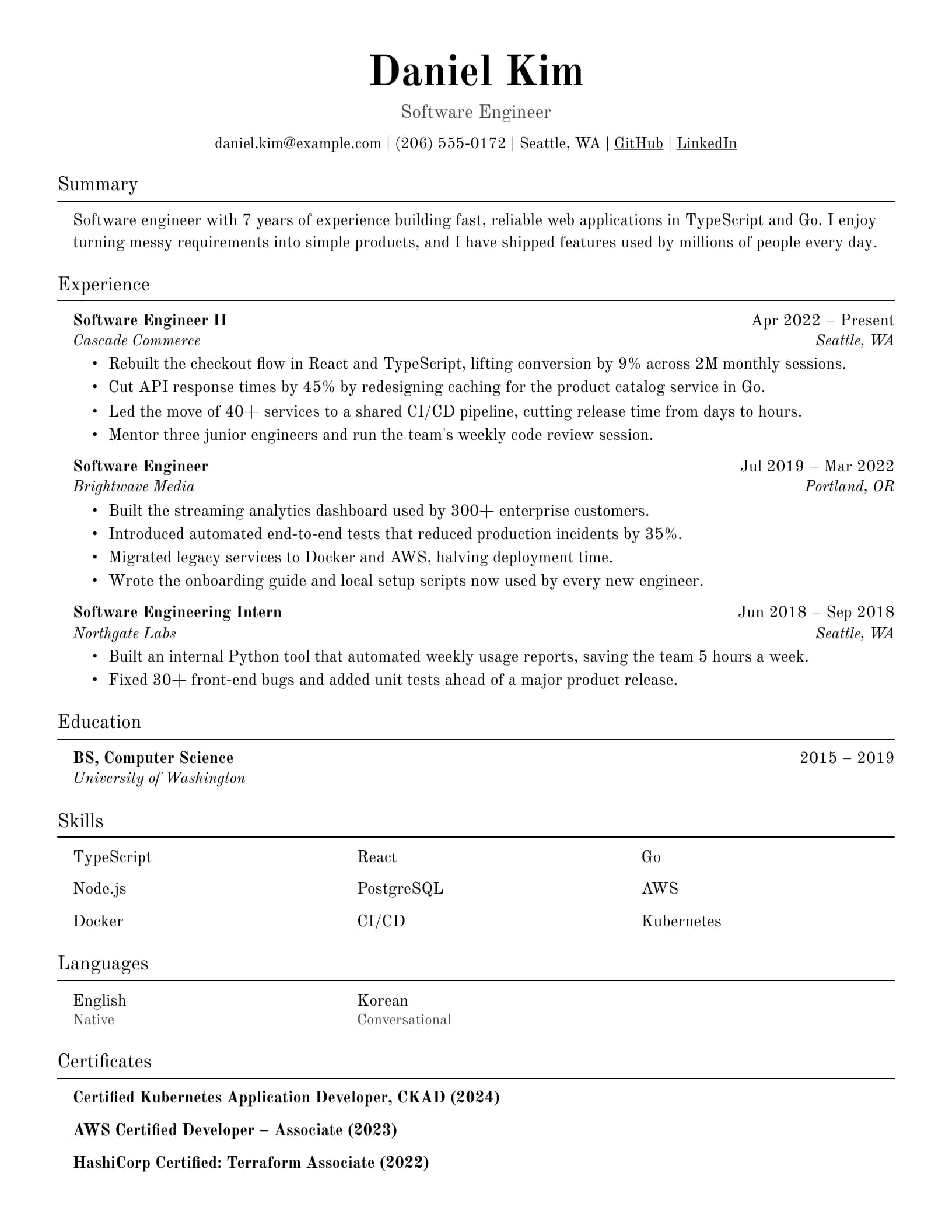 TypesetUse this template
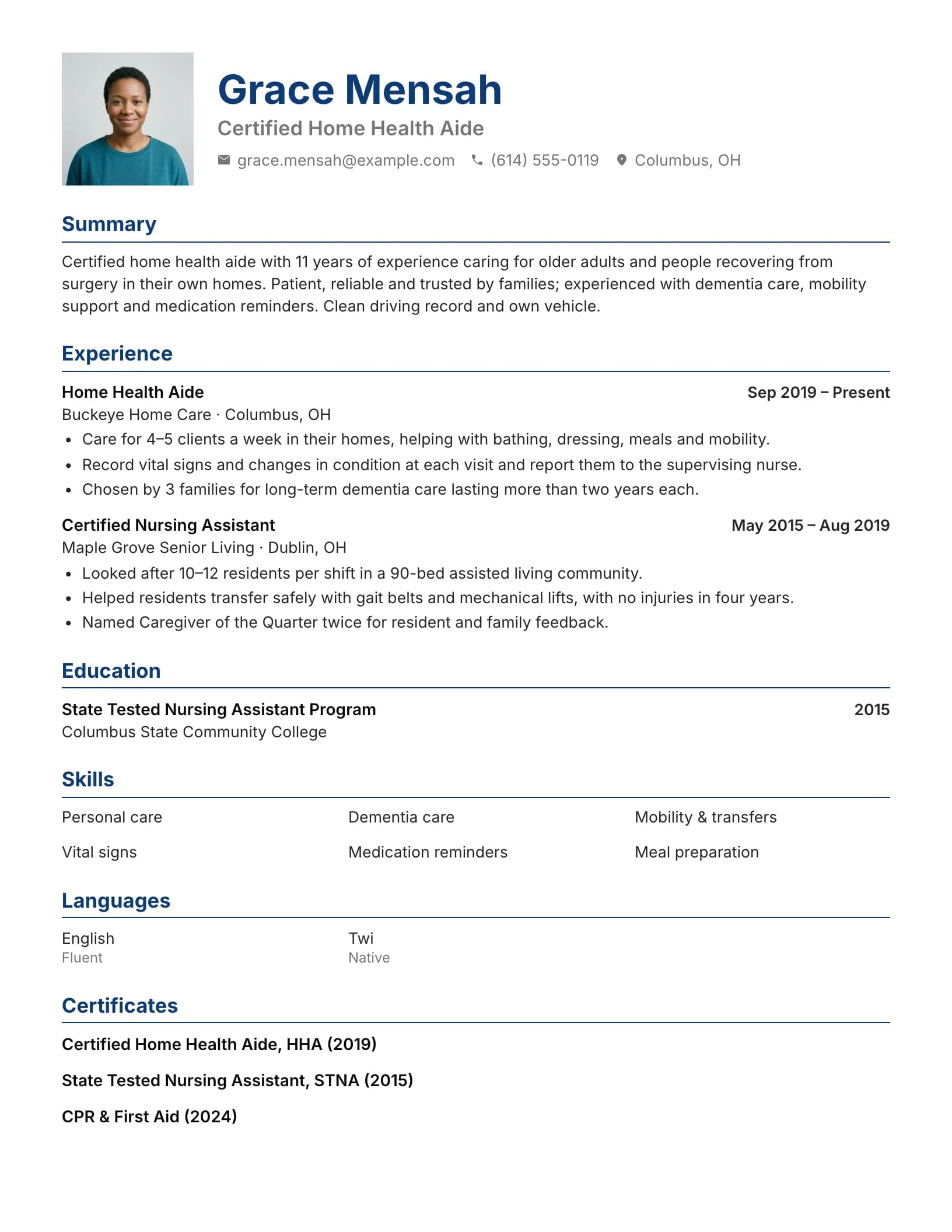 DossierUse this template